

What “treated” timber means
Treated timber has been chemically preserved against termites, borers and rot. In Kenya it is usually pressure-treated or dipped, and it matters most for anything that will sit against a wall or on a concrete floor. Ask the seller what the piece was treated with and when. If the wood smells strongly of chemicals it is likely recent; if it has been treated and then sealed, you should see an even finish rather than raw grain at the joints and undersides.
Cypress (often written “cyprus” locally) is one of the most common furniture softwoods in Kenya — light, stable, straight-grained and considerably cheaper than mahogany or mvule. Treated well and finished properly, it makes solid beds and tables. It also dents more easily than a hardwood, so check the top surfaces of a table rather than only the frame.
Kenyan bed sizes, decoded
Beds are sold here in feet, not centimetres. “4/6” means 4ft by 6ft; “5/6” means 5ft by 6ft — roughly 152cm by 183cm of mattress. A 6/6 is the local equivalent of a king. The frame will always be a little larger than the mattress it takes, so when a seller quotes a measurement, confirm whether it is the mattress size or the outside frame — that difference is what decides whether the bed clears your bedroom door.
The five-minute inspection
- Joints. Look underneath. Mortise-and-tenon or dowelled joints last; joints held together with nails and filler do not. Rock the piece gently — a frame that flexes at the corners will loosen further after a move.
- Moisture. Furniture built from wood that was not properly dried warps. Sight along the length of a table top and along each bed rail; you want straight lines, not a slow curve.
- Borer holes. Small round holes with fine powder underneath mean active infestation, not just age. Walk away, or budget for immediate treatment.
- Finish. A natural clear finish shows the grain and is easy to touch up. A heavy opaque finish can be hiding filler. Run a hand over the edges — sharp, unsanded edges signal a rushed build.
- Fit. Measure your doorway, stairwell and lift before you buy, not after. Ask whether the piece can be dismantled.
Buying safely from a private seller
Most furniture in Nairobi changes hands directly between people, which is usually cheaper and occasionally risky. Two rules cover almost everything: see the item in person before you pay, and pay only once you have seen it. Meet during daylight, meet at the address where the item actually is, and take a photo of the piece as agreed. For anything above a few thousand shillings, agree delivery and who is paying for it before you settle the price, not after.
On The Estate Edit Marketplace you deal with the seller directly — we publish the listing and the seller's contact details, and the money never passes through us. That means the inspection is entirely yours to do, and it is worth doing properly.
New workshop piece or estate piece?
A newly built piece gets you exact dimensions and a fresh finish. A piece from an estate clearance is usually better timber for the money — furniture built twenty years ago from mature hardwood is not something a workshop can reproduce at the same price today. If you want the second kind, look at The Collection, which is catalogued and valued by us, or the antiques listings on the marketplace.
Where to look
Wooden furniture listed right now
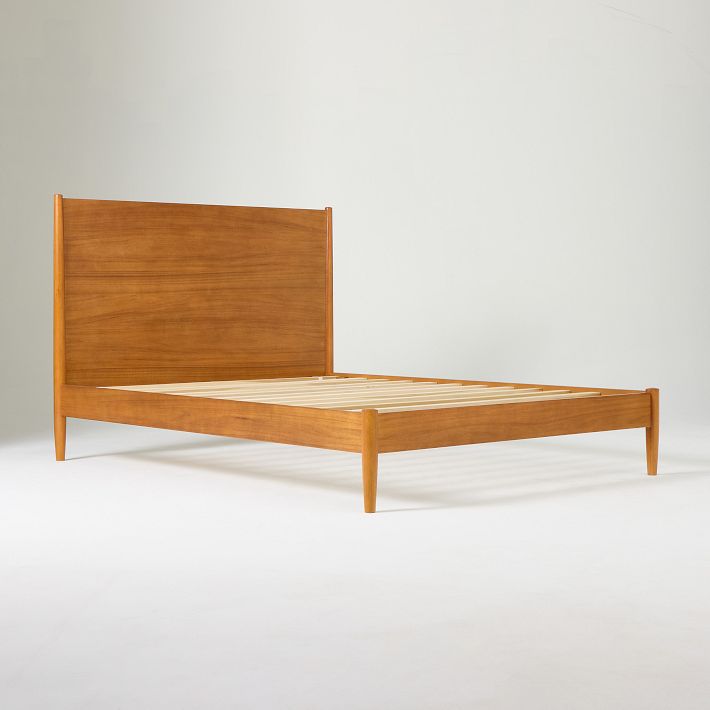
Treated Cyprus Wood 5/6 Bed
Treated cyprus wood 5/6 bed. Size: 200cm by 152cm.
KES 30,000
by Dominic Ongeri
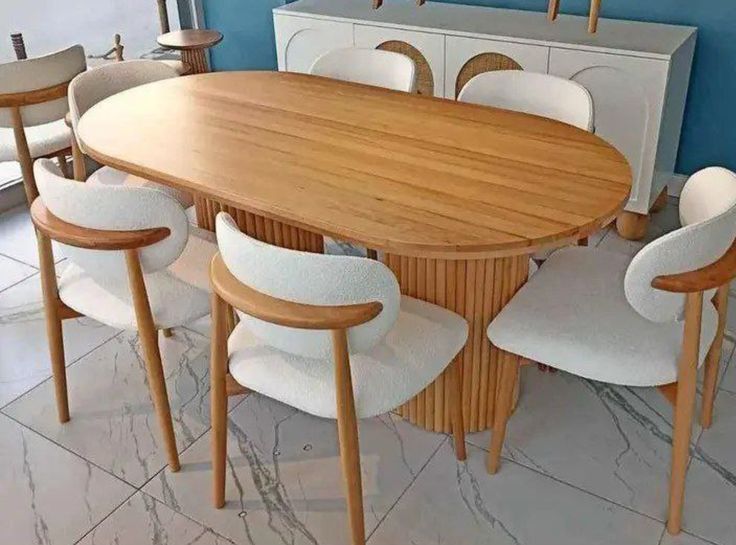
Treated Cyprus Wood Dining Table & 6 Chairs
Treated cyprus wood dining table with 6 dining chairs. Table size: 180cm long x 100cm deep x 80cm high. Natural clear finish.
KES 58,000
by Dominic Ongeri
Victorian MAhogany dining table
KES 25,001
by Erick Peterson